ISLAB
INFORMATION SYSTEMS
AND KNOWLEDGE
MANAGEMENT
ISLab is the research group on databases, information systems, and knowledge management of the Dipartimento di Informatica of the Università degli Studi di Milano.
DATA SCIENCE
NLP
DIGITAL HUMANITIES
EXPLAINABLE AI
COOL
THINGS WE DID
READ MORE
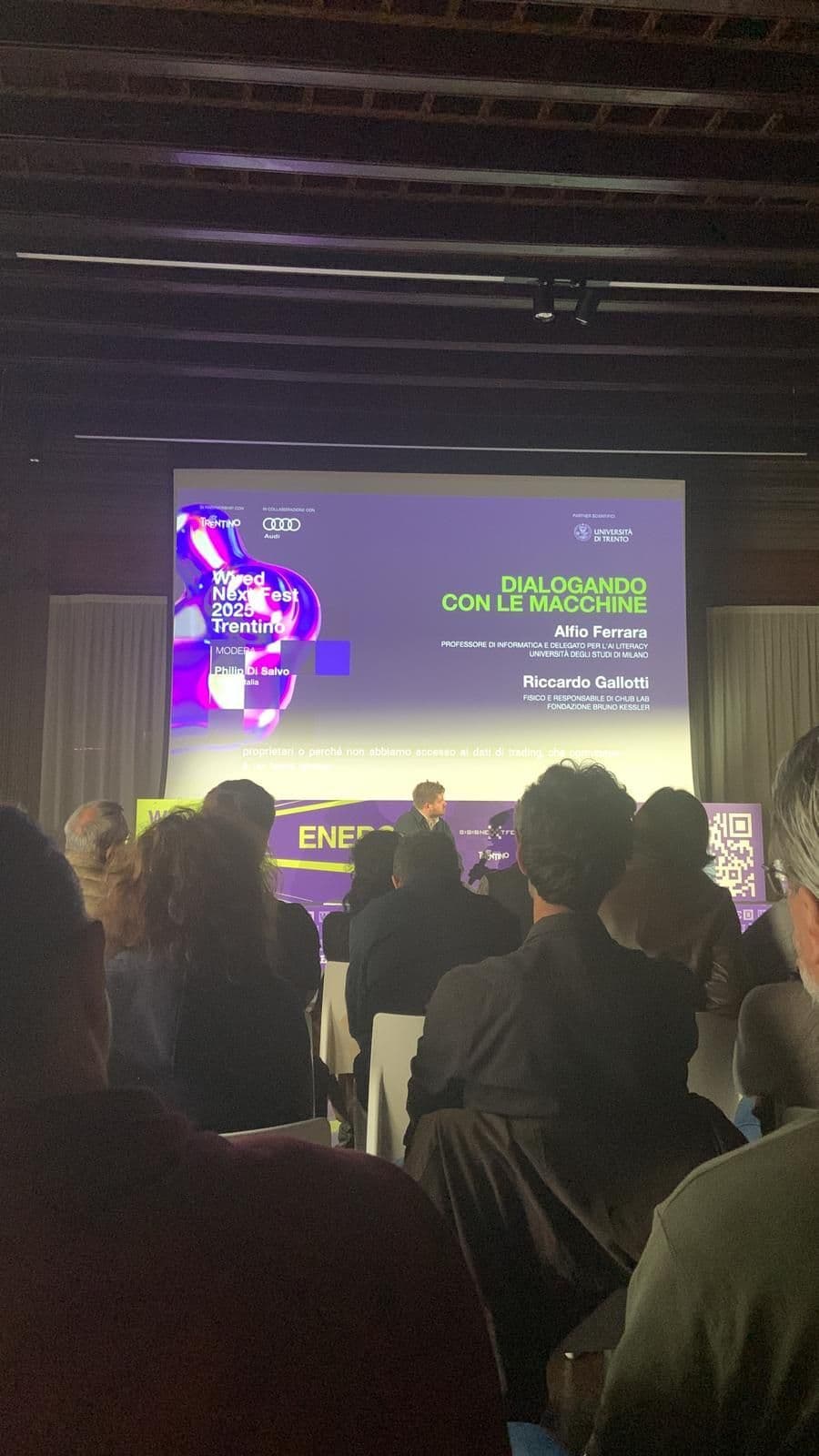
READ MORE
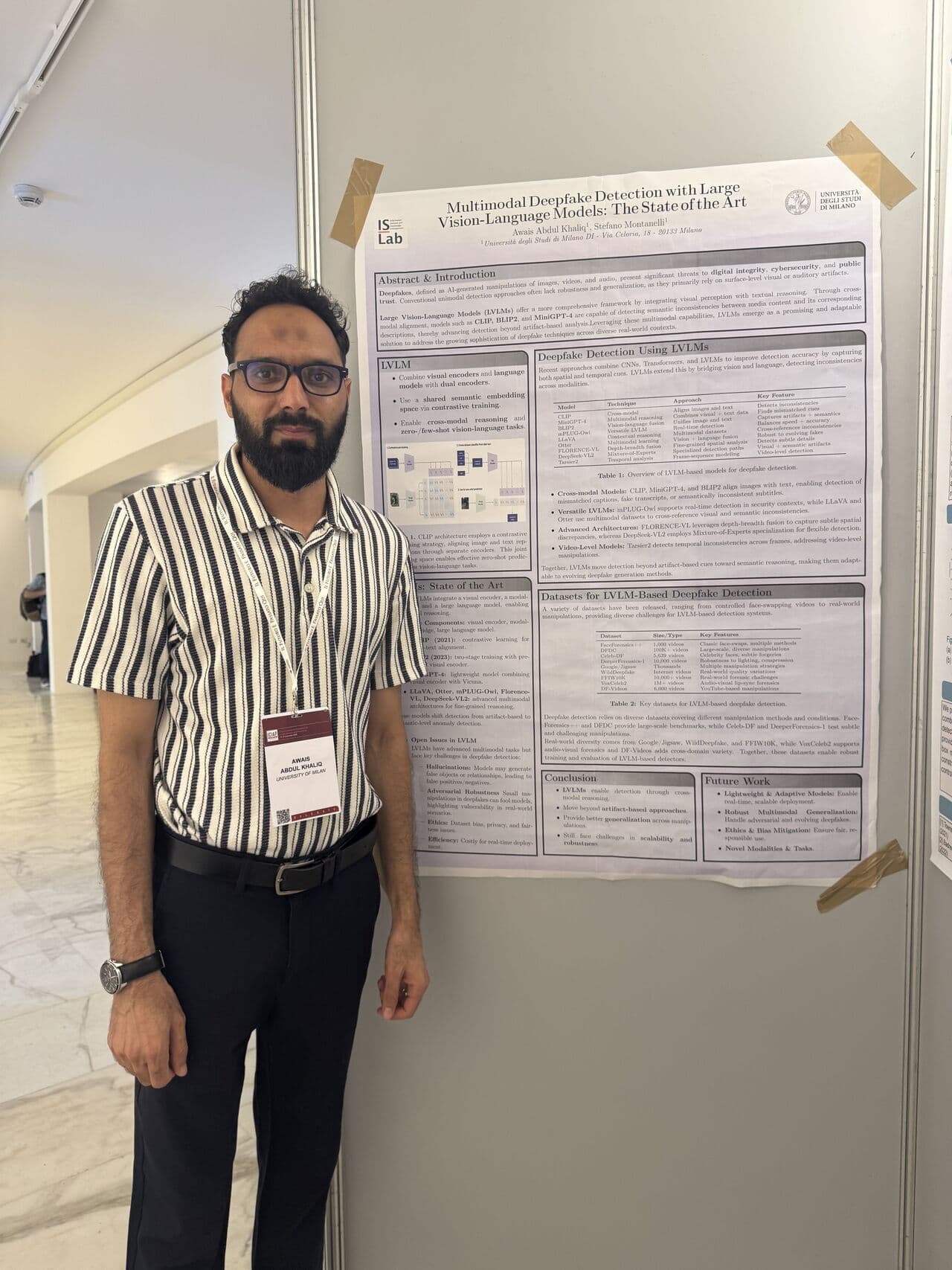
READ MORE
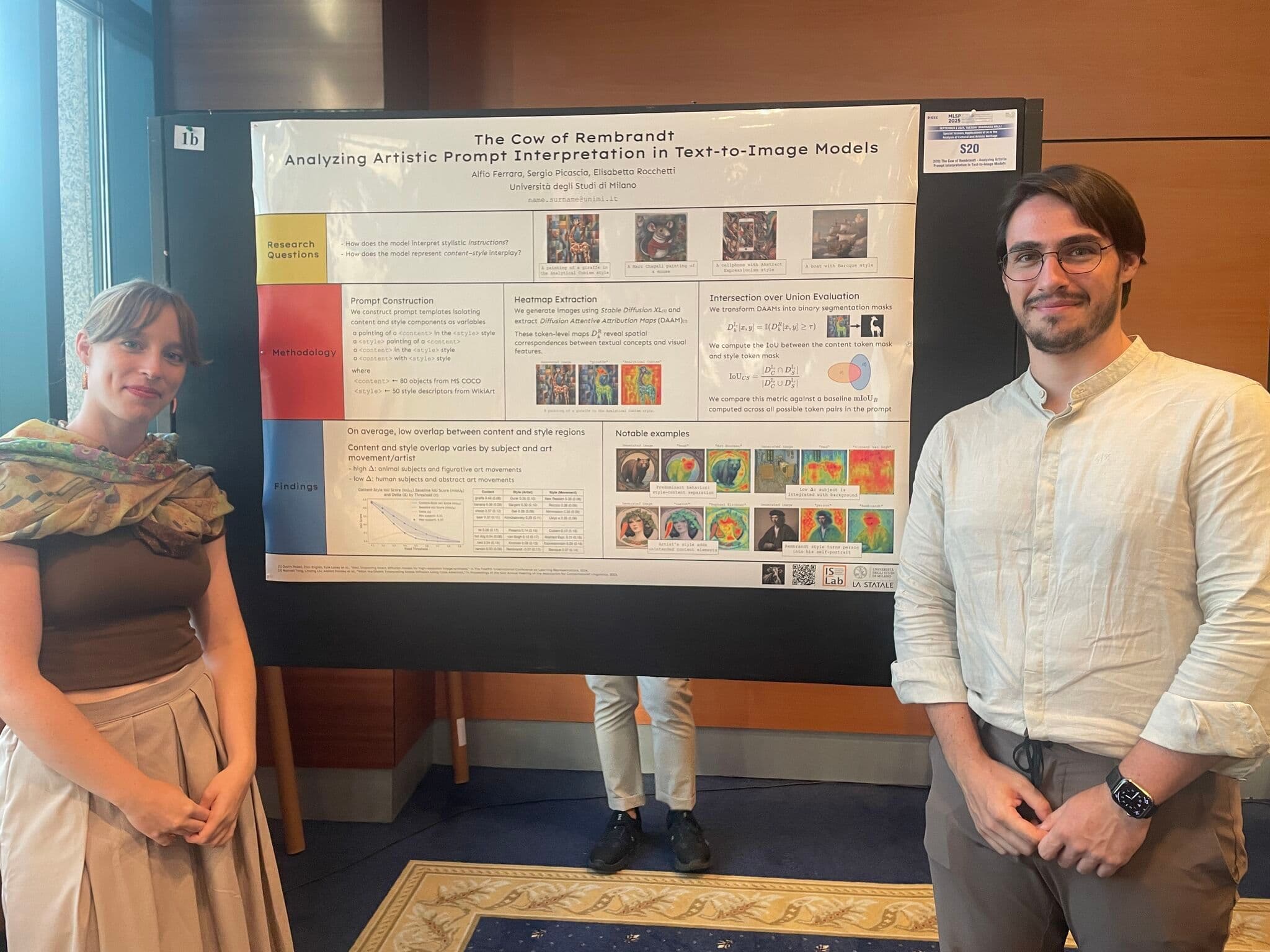
READ MORE
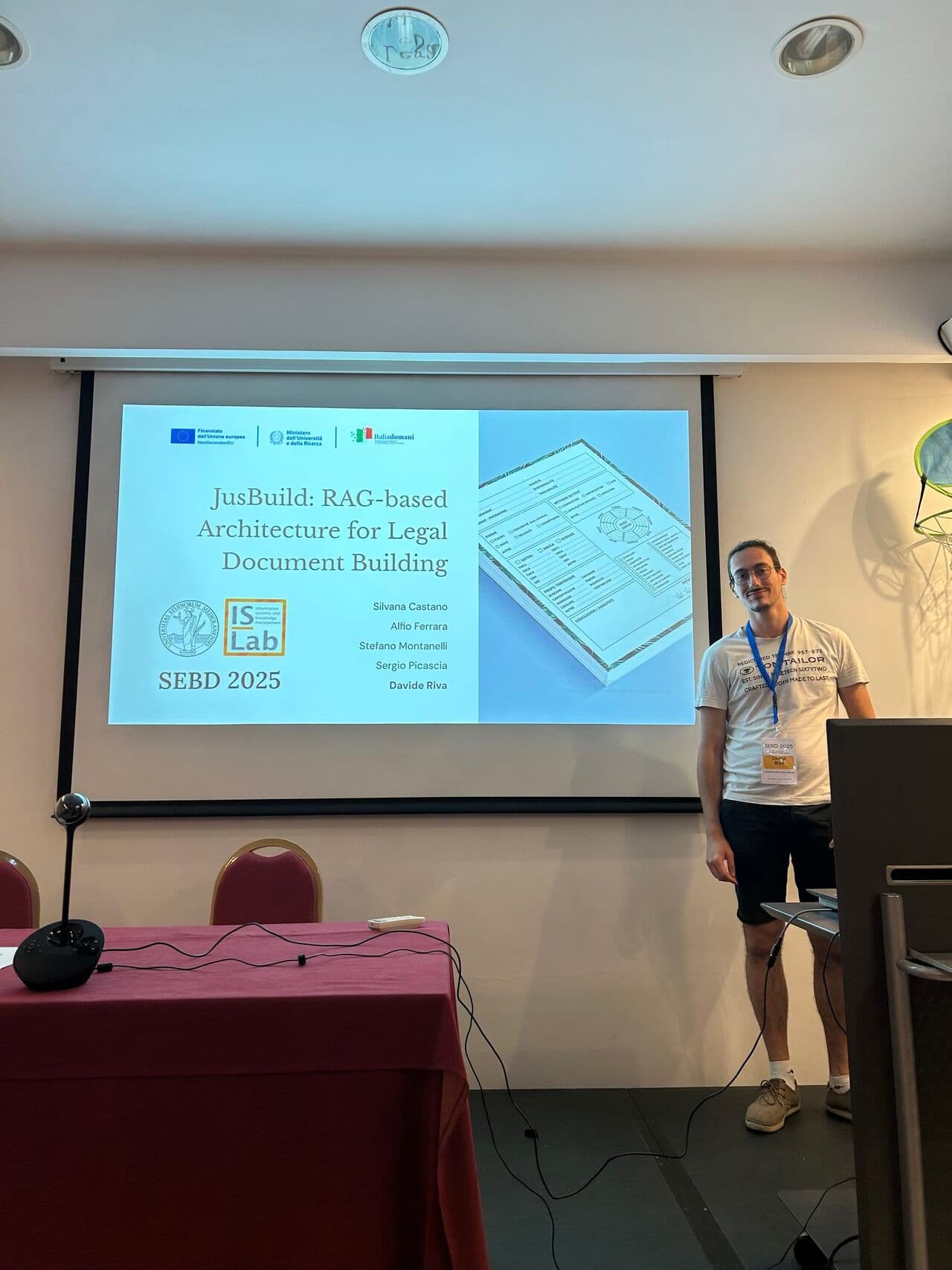
READ MORE
READ MORE
READ MORE
READ MORE
READ MORE
OUR TEAM
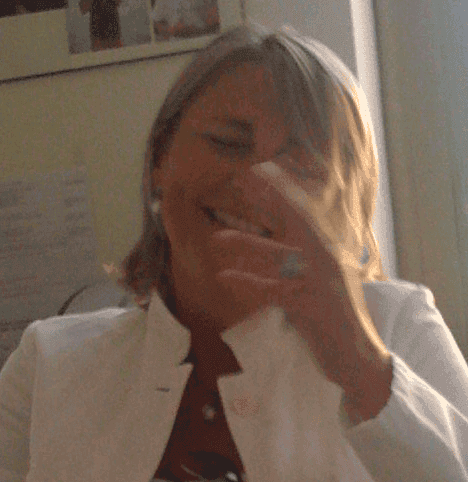
SILVANA CASTANO
Full Professor, ISLab Chair
Silvana Castano is Full Professor of Computer Science at the Department of Computer Science of the University of Milan, where she served as director from 2017 to 2023. She is Vice-Rector for Digital Transition and Artificial Intelligence at the University of Milan and a member of the Board of Direct…
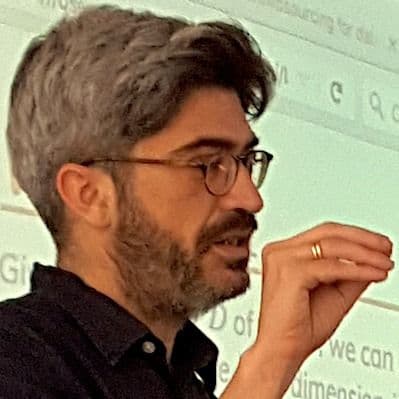
ALFIO FERRARA
Full Professor
Alfio Ferrara is a Full Professor of Computer Science at the University of Milan, where he teaches Natural Language Processing, Reinforcement Learning, and IT Methodologies in the Humanities. A Philosophy graduate, he has always been interested and actively involved in digital humanities projects. H…
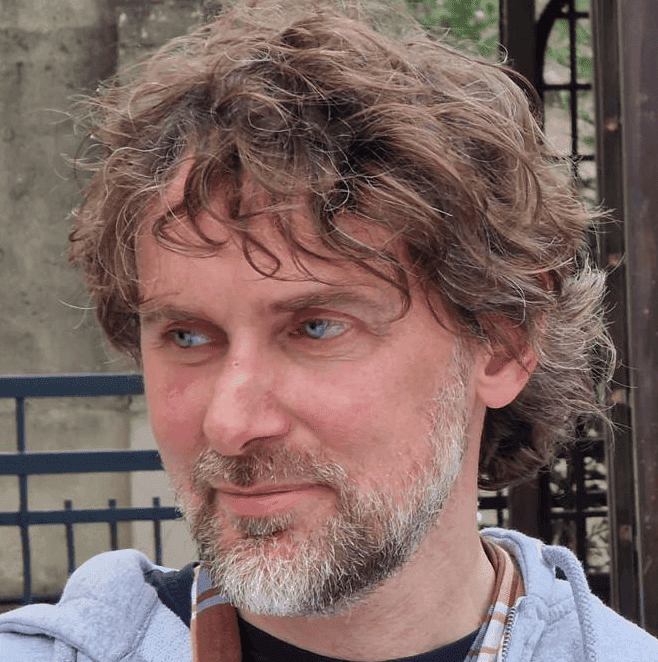
STEFANO MONTANELLI
Full Professor
Stefano Montanelli is professor of computer science at the Department of Computer Science of the University of Milan. He is a member of the Data Science Research Center and is Chair of the Master's degree program in Data Science for Economics and Health at the same university. He was the local coord…
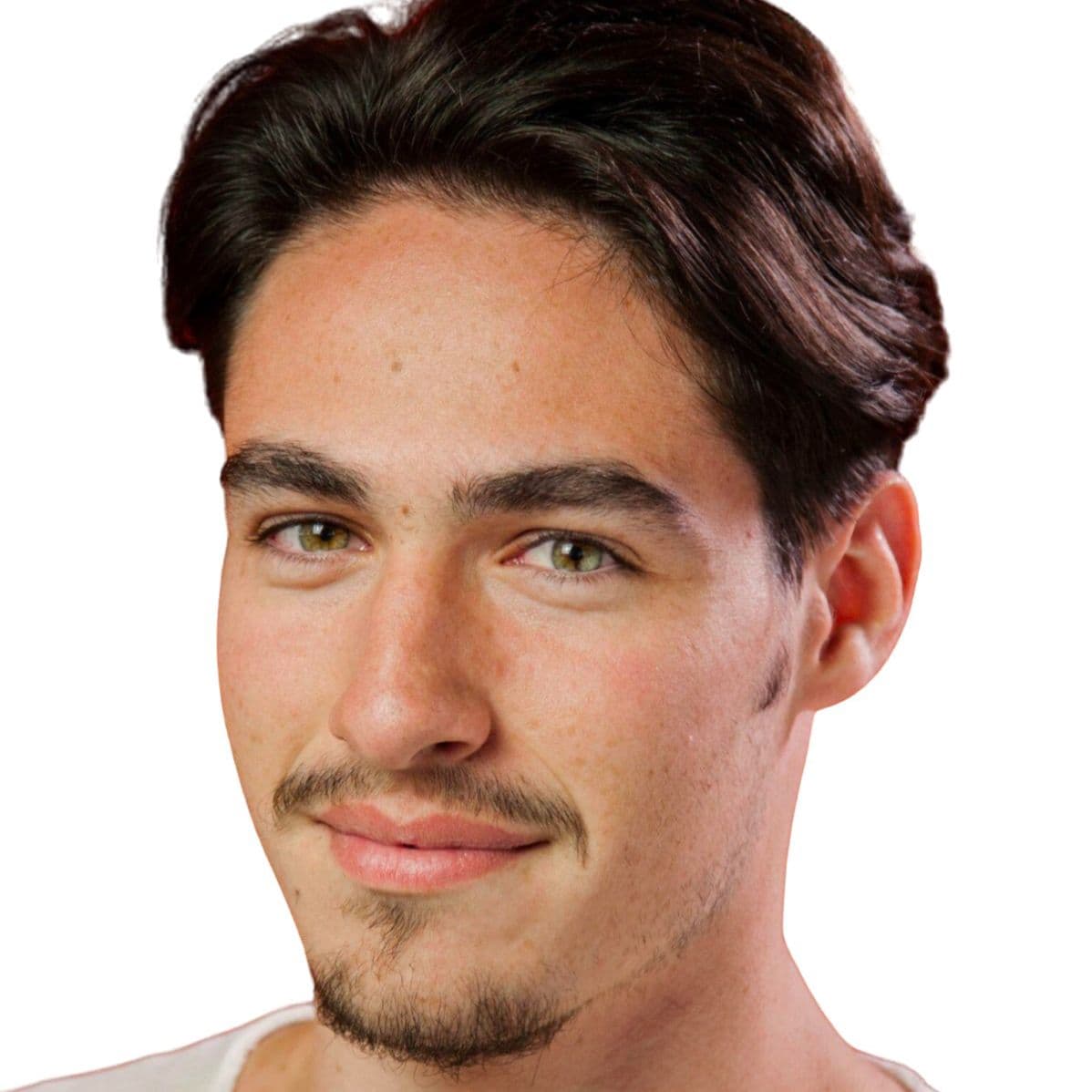
SERGIO PICASCIA
Research Fellow
Sergio Picascia is a Research Fellow at the Department of Computer Science of the Università degli Studi di Milano. He has published in international journals and conferences, focusing his research interests in natural language processing and its applications to the humanities and social sciences. S…
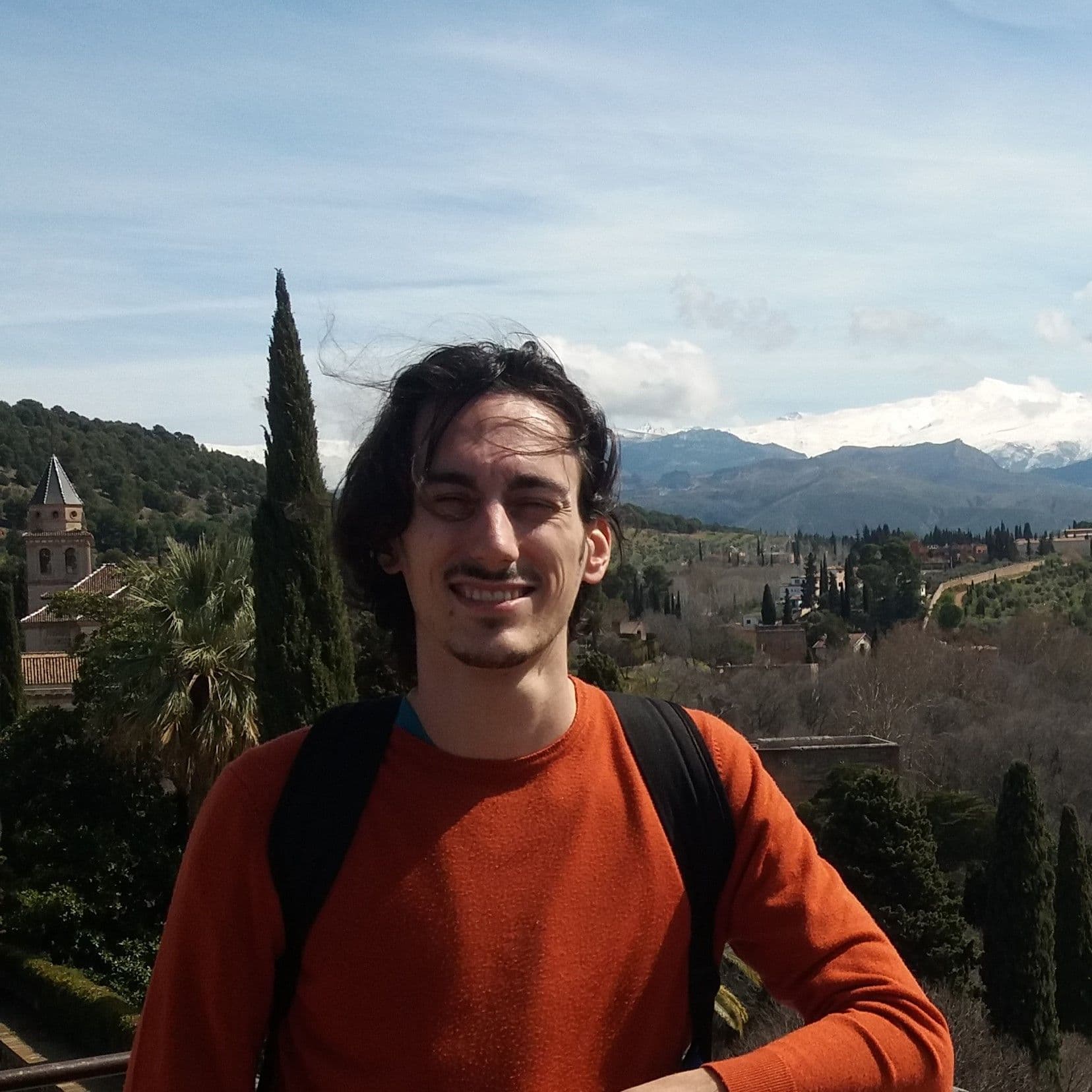
DAVIDE RIVA
PhD Student
Davide Riva holds a BSc in "Mathematical Engineering" and a MSc in "Data Science and Economics". After a research fellowship in which he worked on Legal Information Retrieval in the framework of NGUPP project, he entered the National PhD Program in Artificial Intelligence with a research line focuse…
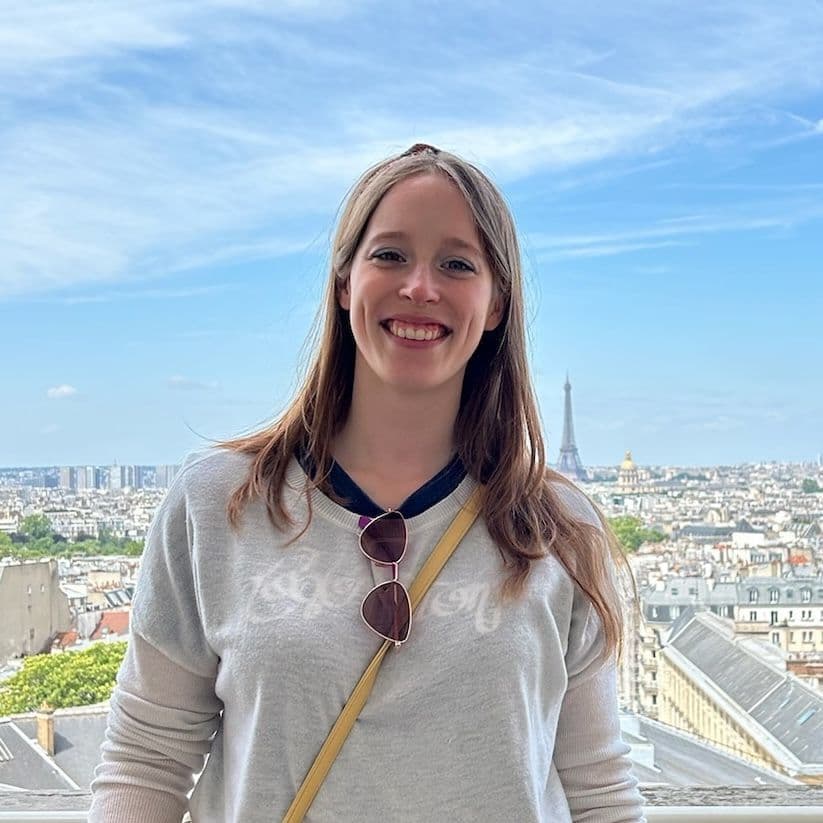
ELISABETTA ROCCHETTI
PhD Student
Elisabetta Rocchetti has been a PhD student since October 2023. She graduated in "Computer Science for New Media Communications" at the University of Milan. She completed her studies with a MSc in "Data Science and Economics", shifting her focus on data science and data analysis. In particular, she …
GAUDENZIA GENONI
PhD Student
Gaudenzia is a Ph.D. student in the Department of Computer Science since October 2025. After completing her B.A. in Lettere at the University of Milan, she earned an M.Sc. in Data Science from the University of Trento. Her research interests include Natural Language Processing, Large Language Models…

ALESSANDRO DELLA BEFFA
PhD Student
Currently a PhD student at the Department of Computer Science, University of Milan. Formerly a bachelor's student specializing in applied Mathematics, he went on to earn a master's degree in Data Science. His research interests revolve around Natural Language Processing and Large Language Models app…
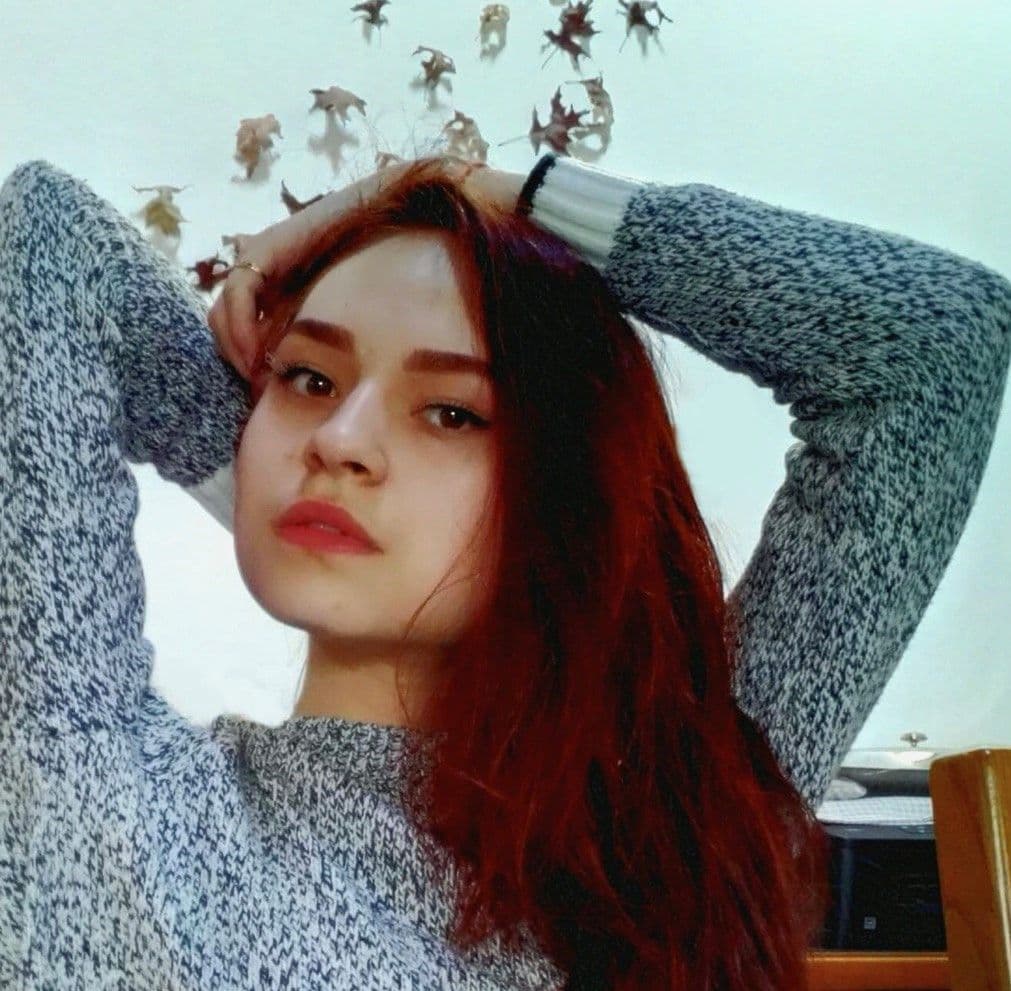
DARYA SHLYK
PhD Student
Darya is a Ph.D. student at the Department of Computer Science. Graduated in "Economics and Management" at the University of Milan, she then gained her Master's degree in 'Data Science and Economics'. Darya joined ISLab research activity in September 2022 and is currently involved in the ERC founded…
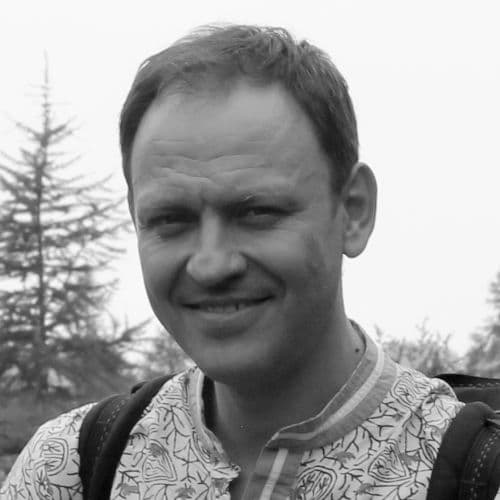
MARTIN RUSKOV
Researcher (2021-2025)
Studying how people interact, in the past (#CulturalAnalytics) and today (#EdTech #Crowdsourcing).

DAVIDE LAMORTE
Research Fellow (2023-2025)
Davide is a research fellow at the Department of Historical Studies. He worked for more than 6 years in the field of Web Development in big companies and startups around Europe. He joined ISLab to bring his expertise to the team and help them show to the outside world the results of their research.
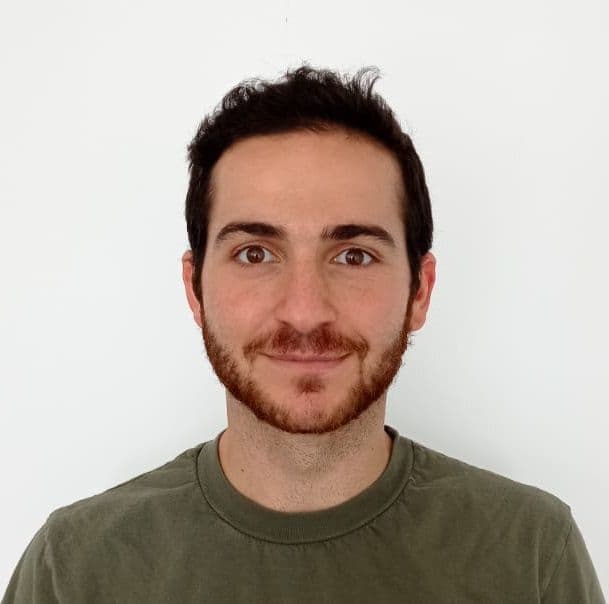
FRANCESCO PERITI
PhD Student (2021-2024)
Francesco Periti is currently a PhD Student at the Department of Computer Science, University of Milan (UMIL). He graduated from the University of Parma with a bachelor’s degree in Computer Science in 2018 and he finalized his master degree in Computer Science at the University of Milan in the summe…
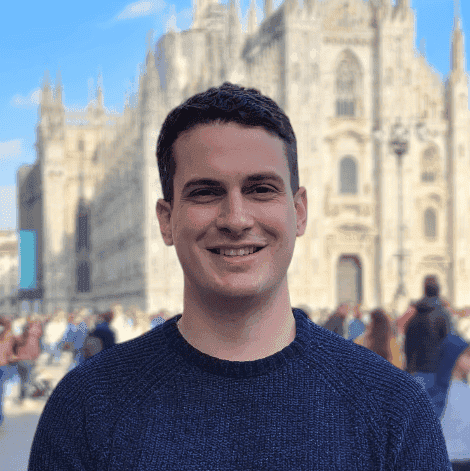
VOJIMIR RANITOVIC
Research Fellow (2024-2025)
Vojimir is a research fellow at the Department of Historical Studies. He holds a BSc in "Statistics, Informatics, and Quantitative Finance" from the Faculty of Economics, Belgrade, Serbia, and an MSc in "Data Science and Economics" from the University of Milan. Currently, he is involved in the PNRR_…
WE DO RESEARCH
EXPLORE MORE


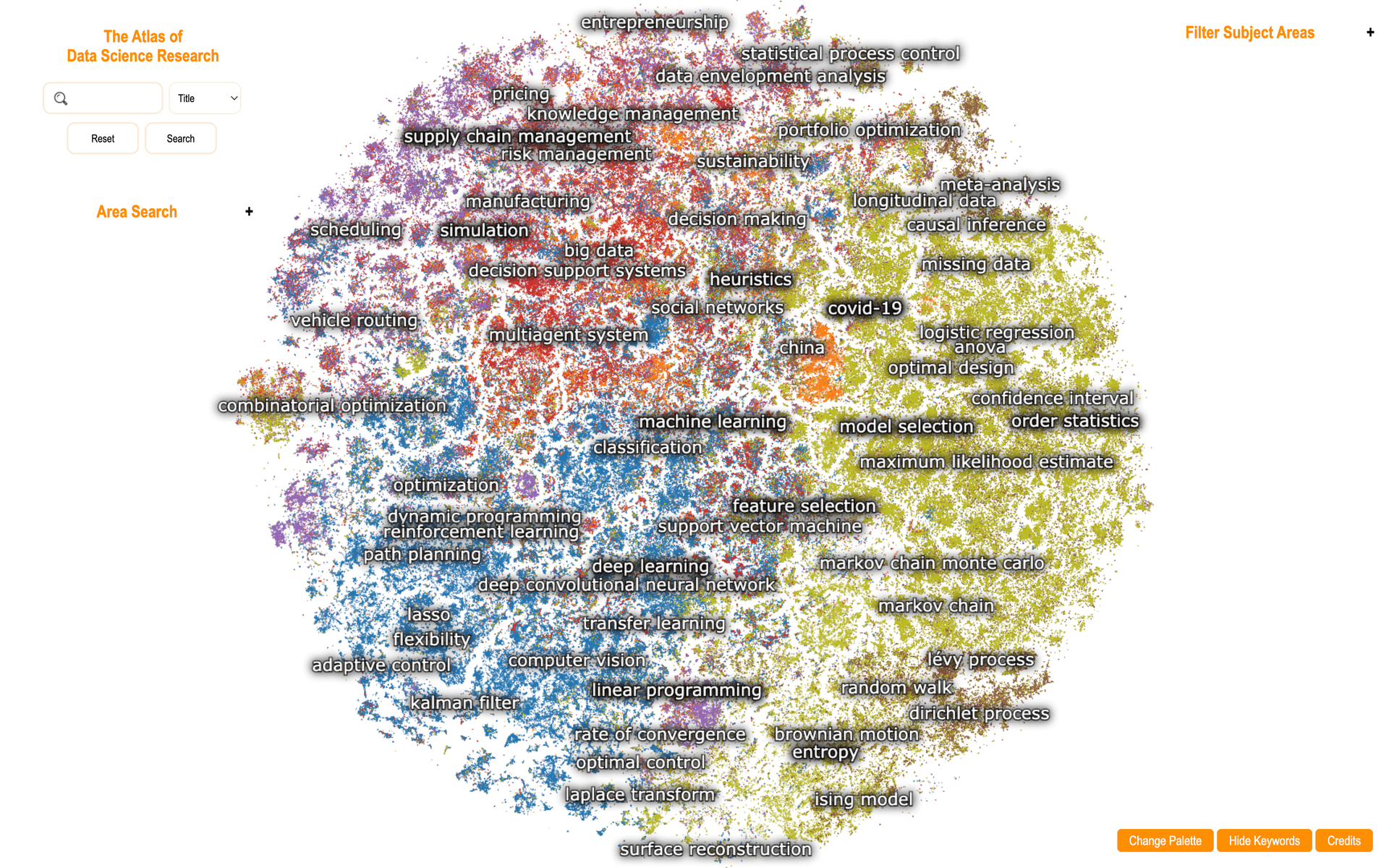
AND WE MAKE APPS
EXPLORE MORE

WE WORKED WITH